
kherwalbakhol.com/santal-culture/
Santal culture
Explore Santal culture, traditions, festivals, lifestyle, and heritage. Discover the rich identity and unique customs of the Santal community.
kherwalbakhol.com/santal-culture/
Santal culture is one of the richest and most vibrant indigenous traditions in India. It reflects a deep connection with nature, community, and traditional values. The Santal people celebrate life through music, dance, festivals, and rituals that have been passed down for generations. This page explores the traditions, beliefs, lifestyle, and heritage of the Santal community in a simple and meaningful way./kherwalbakhol.com/santal-culture/
Introduction to Santal Culture
The Santal community is one of the largest tribal groups in India, mainly found in Jharkhand, West Bengal, Odisha, and Bihar. Their culture is deeply rooted in nature and community living. Every aspect of their life—from daily activities to festivals—reflects harmony, respect, and unity. Santal culture is not just about traditions; it is a living identity that continues to evolve while preserving its roots.
Tradition
kherwalbakhol.com/santal-culture/ Tradition refers to the customs, beliefs, practices, and values that are passed down from one generation to another. It represents a community’s cultural identity and way of life, preserving the wisdom, history, and experiences of ancestors. Traditions can include festivals, rituals, language, music, dance, clothing, food, storytelling, and social values that continue to shape people’s lives over time./kherwalbakhol.com/santal-culture/
In the Santal community, tradition plays a very important role in maintaining unity, cultural pride, and spiritual connection. Festivals like Sohrai and Baha, traditional dances, folk songs, sacred rituals, and community gatherings are all part of the rich traditions the Santals have preserved for generations. These traditions reflect respect for nature, harmony within the community, and deep cultural values rooted in everyday life.
Tradition is not only about remembering the past—it is about keeping culture alive in the present and protecting it for the future. Through traditions, people stay connected with their roots, ancestors, and identity. Elders teach younger generations about customs, rituals, and moral values, ensuring that cultural knowledge continues to grow and endure in modern society.
In today’s changing world, preserving tradition has become more important than ever. Digital platforms, cultural programs, storytelling, and educational websites like kherwalbakhol.com help document and share traditions with people around the world. By respecting and celebrating traditions, communities can maintain their unique identity while inspiring future generations to value their heritage and cultural legacy.
Santal Festivals
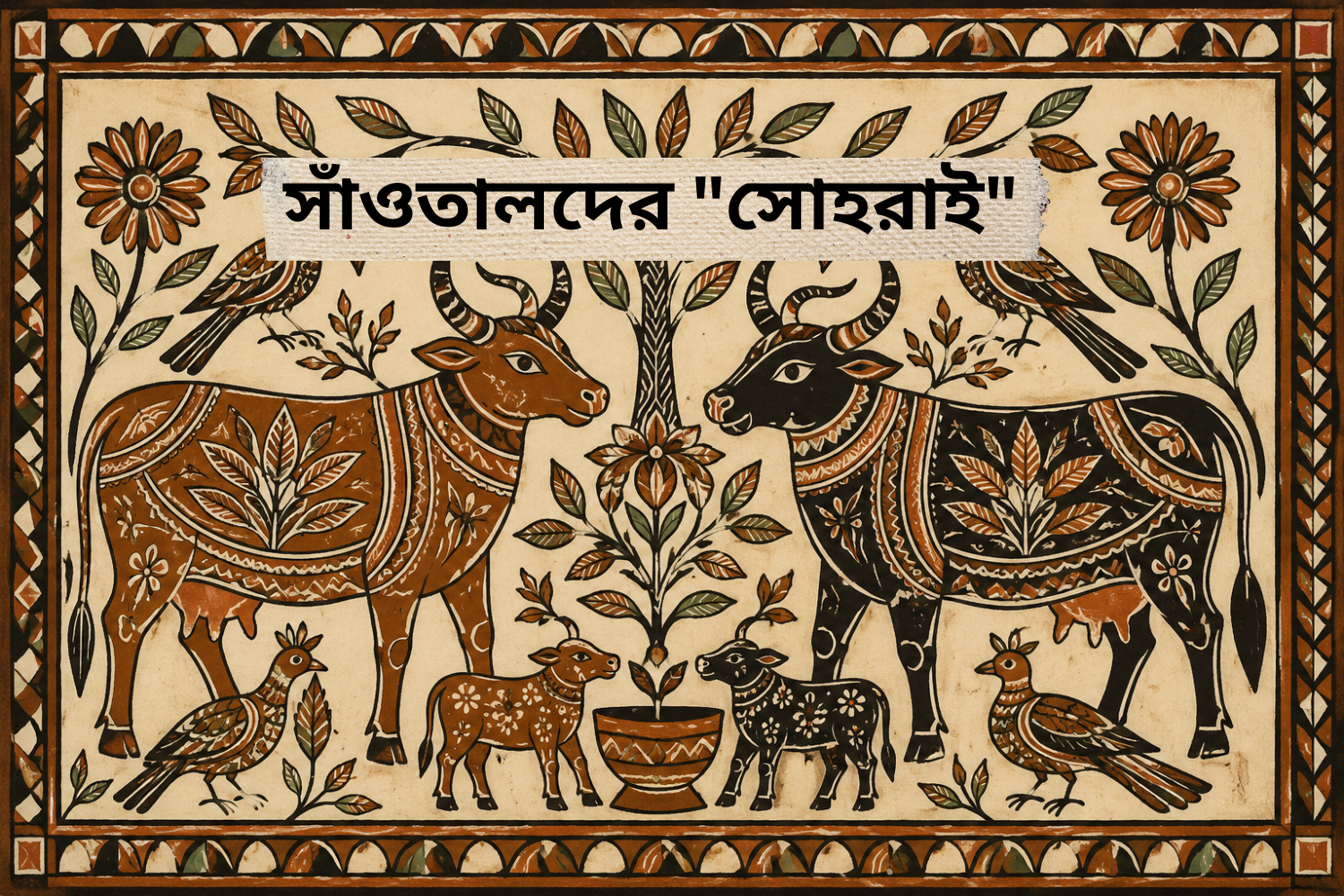
kherwalbakhol.com/santal-culture/ Festivals are an important part of Santal culture and are closely linked with agriculture and seasons.
Sohrai
Sohrai is a harvest festival celebrated with joy and gratitude. People decorate their homes, worship cattle, and celebrate with music and dance....
Baha
Baha is the flower festival that marks the arrival of spring. It celebrates nature, new life, and community unity.
Magh Sim
Magh Sim marks the end of the year and is celebrated with feasting, dancing, and social gatherings.
Music and Dance
Music and dance are the soul of Santal culture. Traditional instruments like Tamak and Tumdak create rhythmic beats that guide group dances. These performances are not just for entertainment—they are a way of expressing emotions, telling stories, and preserving cultural identity.
Lifestyle and Food
The Santal lifestyle is simple and closely connected to nature. Most people depend on agriculture and forest resources. Their food is natural and nutritious, with rice as the staple, along with vegetables, fish, and meat. Traditional drinks like Handia are also an important part of their social life.
Language and Oral Traditions
Santali is the main language of the Santal community. Their culture is rich in oral traditions, including stories, songs, and folklore. These oral traditions help preserve their history and pass knowledge from one generation to another.
Importance of Santal Culture
Santal culture teaches values like unity, respect for nature, and community living. In today’s modern world, preserving this culture is important to maintain diversity and cultural identity. It also provides valuable lessons on sustainable living and harmony with nature.
Conclusion
Santal culture is a beautiful blend of tradition, nature, and community life. It reflects a simple yet meaningful way of living that continues to inspire people. By understanding and preserving this culture, we can keep its rich heritage alive for future generations.